
 Rackmount PC
 Embedded Computing
 Industrial Portable Computers
 Rugged Tablets
 Rugged Laptop
 Industrial Panel PC
 Rugged Handheld
 Advantech Industrial PC
In-depth analysis of I/O reading and writing technology of industrial computers
The I/O interface of industrial computers is a bridge for data exchange between industrial computers and external devices. It realizes precise control of the production process through signal input and output. Its performance can directly affect the operating efficiency and stability of the entire system. This article will start from a technical perspective and deeply explore the principles and performance of I/O reading and writing of industrial computers.
- Overview of I/O interface
The I/O interface of industrial computers mainly includes two categories: digital input and output (DI/DO) and analog input and output (AI/AO). Digital interfaces are usually used to receive switch signals, such as buttons, sensors, etc.; while analog interfaces process continuously changing physical quantities, such as temperature, pressure, etc., and ensure compatibility and interoperability between different devices through standardized electrical characteristics and communication protocols.

- I/O reading and writing principle
The reading and writing process of I/O data involves two levels: hardware and software. At the hardware level, the industrial computer receives external signals through dedicated I/O modules and converts them into digital signals for processor processing; at the software level, the reading and writing of I/O data is realized through drivers and applications. This process requires a high degree of synchronization and real-time performance to ensure data accuracy and system stability.
- Key technical indicators
The key parameters that affect I/O read and write performance include speed, accuracy and reliability. Speed determines the efficiency of data processing, accuracy is related to the accuracy of control, and directly affects product quality. Reliability is the basis for ensuring stable operation of the system, especially in harsh environments.
In addition, anti-interference ability and compatibility are also important indicators for evaluating I/O interface performance.

- Common faults and solutions
In actual applications, I/O read and write may encounter problems such as signal interference, poor contact, and configuration errors. Solving these problems usually requires hardware inspection, software debugging, and environment optimization. For example, measures such as enhancing the shielding effect of signal lines, updating drivers, and adjusting system parameters can effectively improve the stability and accuracy of I/O read and write.
- Recommended IPC manufacturers
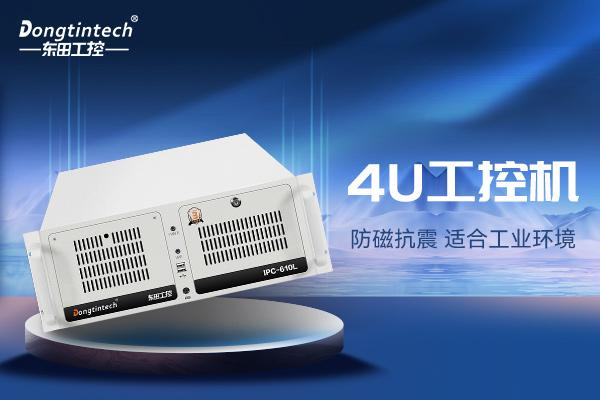
SINSMART TECH is a professional IPC manufacturer. Its IPC products are known for their high performance, high reliability and ease of use. They provide a wide range of I/O interface options to meet the needs of different industries. Whether in terms of speed, accuracy or compatibility, Dongtian IPCs have demonstrated excellent performance and are an ideal choice for building efficient and stable industrial automation systems.

- Conclusion
In short, the I/O reading and writing technology of IPCs is the cornerstone of the industrial automation field. Its performance improvement and application expansion are of great significance to promoting industrial progress. SINSMART TECH, with its leading advantages in I/O technology, provides strong support for automation upgrades in all walks of life.


LET'S TALK ABOUT YOUR PROJECTS
- sinsmarttech@gmail.com
-
3F, Block A, Future Research & Innovation Park, Yuhang District, Hangzhou, Zhejiang, China
Our experts will solve them in no time.